Dikko: Africa Must Harness Sports for GDP Growth, Jobs, and Global Visibility
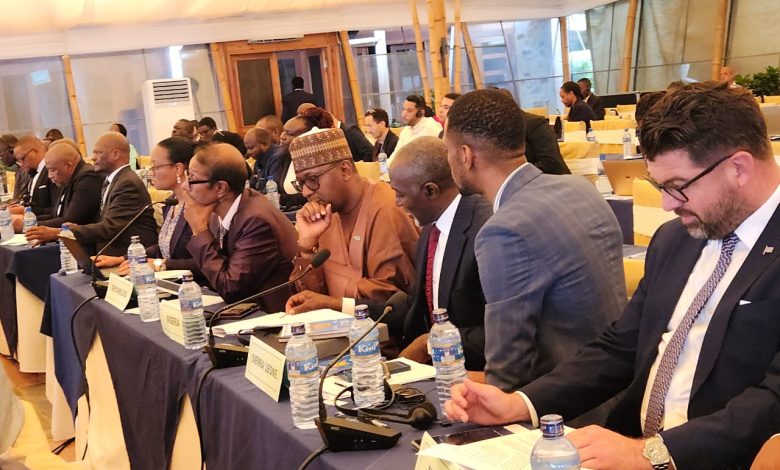
The Chairman of the Conference of Ministers, African Union Sports Council (AUSC) Region 2, Mallam Shehu Dikko, has underscored the urgent need for African nations to deliberately invest in and expand the continent’s sports economy as a strategic tool for national development.
Mallam Dikko delivered this message during his remarks at the Conference of Ministers Meeting held on Friday in Bujumbura, Burundi.
In his address, he emphasized the transformative power of sports in shaping national economies, enhancing global visibility, and creating opportunities for millions of young Africans.
‘Sports is not just entertainment; it is a major economic engine,’ he stated. ‘Countries like England, Brazil, the United States, and even smaller nations such as Croatia have demonstrated how a well‑structured sports ecosystem can significantly contribute to national GDP, create jobs, attract global events, and foster cultural exchange. Africa must be intentional in building a similar pathway for sustainable growth.’
He stressed that African nations must position themselves as world‑class destinations for hosting major sporting events, leveraging such platforms to drive tourism, infrastructure development, and youth engagement.
According to him, global success stories offer a clear blueprint Africa can adapt.
‘Look at the UK, where the Premier League alone contributes billions of pounds annually to the economy while sustaining massive employment. In Brazil, football is a national asset that drives tourism and global brand recognition. These examples show what is possible when sports is developed strategically and intentionally.’
Mallam Dikko also called for unity and collaboration across the region.
‘We must come together in Region 2 and unite to move sports forward. Only through cooperation, shared vision, and deliberate investment can we transform sports into a true driver of economic and social development for our people.’
The AUSC Region 2 leadership reaffirmed its commitment to supporting member nations in strengthening sports policies, attracting investment, and building structures that enable athletes, federations, and communities to thrive.
Mallam Dikko further highlighted the significant restructuring and progress currently taking place in Nigeria’s sports sector under the bold and visionary leadership of President Bola Ahmed Tinubu, GCFR, noting that positive outcomes are already emerging.