AFN Admits Breach of World Athletics Rules in Age-Cheating Scandal
The Athletics Federation of Nigeria (AFN) appears to have admitted breaching World Athletics rules on eligibility and ethical conduct after acknowledging in its investigative report that 15 of the 17 athletes flagged by the Athletics Integrity Unit (AIU) in its December 2, 2025, letter held multiple dates of birth.
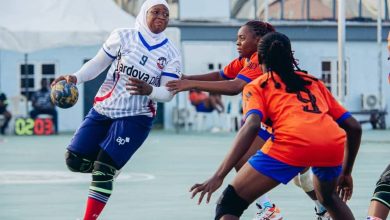
Sixteen of the athletes competed at last year’s African U18 and U20 Championships in Abeokuta, with one even accused of forging birth documents.
In its report sent to the AIU, the AFN conceded that 15 athletes registered and competed in its sanctioned or Confederation of African Athletics (CAA) events despite holding inconsistent age records.
The committee even confirmed one aggravated case of falsification. However, while recommending sanctions against athletes and coaches, the AFN failed to admit its own culpability as the governing body responsible for enforcing eligibility rules.
This omission is central to the AIU’s query, which specifically asked the AFN to explain why it registered ineligible athletes for sanctioned competitions.
The AIU cited breaches of two key provisions.
World Athletics Technical Rule 3.2 states: ‘Member Federations shall be responsible for ensuring that athletes entered in competitions are eligible to compete under the Rules.’
Similarly, World Athletics Integrity Code of Conduct Rule 3.3.1 provides: ‘Officials and Member Federations must act with integrity, honesty, fairness and responsibility, and must not engage in conduct which brings athletics into disrepute.’
By admitting that athletes with falsified or multiple ages were registered and allowed to compete, the AFN has effectively confirmed violations of both rules.
The AFN’s investigative panel recommended suspensions of two years for athletes found guilty of age falsification, stripping them of medals, titles, rankings, and prize money won at youth events, and requiring mandatory re-registration with verified documentation such as international passports, birth certificates, and national identification numbers.
In aggravated cases of deliberate falsification, three-year bans were proposed. Coaches implicated in facilitating or knowingly presenting false documentation were recommended for three-year suspensions from all AFN activities, including withdrawal of coaching licenses, with reinstatement only possible after mandatory ethics and integrity re-certification.
The Secretariat was publicly reprimanded for operating without a reliable athlete database and ordered to undergo compliance training, while state associations found culpable were fined ₦2.5 million each and suspended from age-grade competitions for twelve months.
Despite these recommendations, stakeholders are alarmed that AFN President Tonobok Ojuru Okowa, Secretary General Israel Inwang, and Technical Director Gabriel Okon have not been suspended, even though the scandal unfolded under their watch.
Under World Athletics governance rules, federation leaders can be held personally accountable for systemic failures, with sanctions ranging from suspension from office to removal from international committees and loss of Nigeria’s voting rights in World Athletics.
The AIU’s task has now been simplified: with AFN’s admission, the focus shifts to individual culpability.
Okowa’s leadership is under particular scrutiny, as the controversy dates back to 2024 when the AIU first raised concerns about age discrepancies involving four athletes, including Samuel Ogazi.
Stakeholders have expressed shock that the AFN has attempted to deflect blame onto athletes and coaches while failing to accept responsibility as the governing body.
Many are bewildered the National Sports Commission has failed to institute an independent probe into what has become an international embarrassment for Nigerian athletics.