Olympic Finalist Ogazi Quits AFN Elite WhatsApp Group Over Poor Treatment
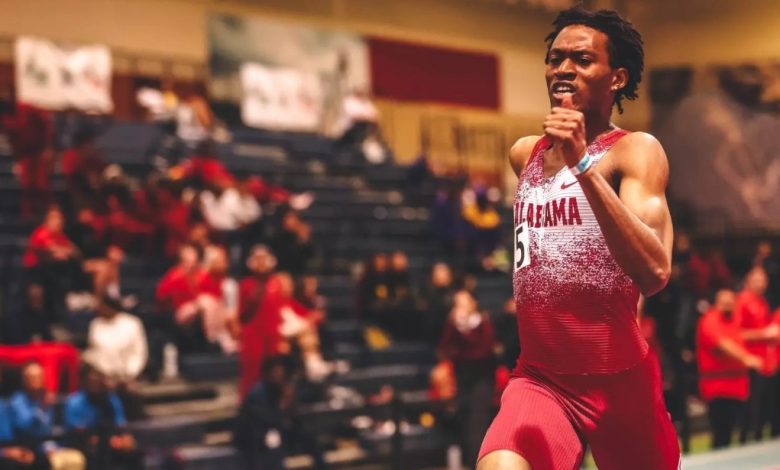
Paris 2024 Olympic 400m finalist Samuel Ogazi has exited the Athletics Federation of Nigeria’s (AFN) Elite Athletes WhatsApp platform, ostensibly over the crude and unprofessional treatment he received from officials of the Nigerian athletics body and the National Sports Commission.
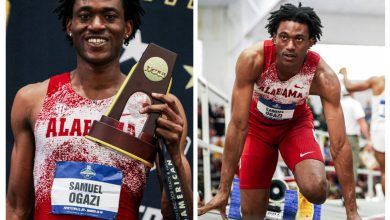
The 19-year-old, who reached the Olympic final on his debut nearly two years ago and has already broken 45 seconds indoors this season with a 44.85 run, is said to be angered by the way he was treated before, during, and after the World Championships in Tokyo.
Ogazi’s frustration stems from the non-payment of his allowances at the championships, as well as the failure to deliver his 2025 and the much-publicized 2026 training grants.
According to an athlete in the group who preferred not to be named, Ogazi exited the WhatsApp platform late last month, just before making history as the second African man after compatriot Nathaniel Ezekiel to break 45 seconds indoors.
Only last weekend, he ran a blistering 44.24 split to help the University of Alabama to second place in the men’s 4x400m at the Tiger Paw Invitational in Clemson, South Carolina.
Fellow athletes have expressed concern over the treatment meted out to Ogazi, warning that such neglect could push him to snub Nigeria in future competitions.
‘Samuel is really angry with the unprofessional manner the AFN and NSC have treated him, and I won’t be surprised if he snubs Nigeria in future engagements,’ said the athlete.
He added that if a talent of Ogazi’s caliber, seen as vital to Nigeria’s 4x400m relay team and who many believed could have rivaled Botswana’s K— for the World Championships 400m gold in Tokyo last September if fit could be treated so poorly, then the situation for less established athletes is even more dire.
The athlete further revealed that several others are yet to receive their grants for 2025 and this year despite the National Sports Commission boasting of paying N200 million.
‘Udodi Onwuzurike, Alaba Akintola, Israel Okon, Fakorede Adekalu, and a few others who are developing very fast and could be medal contenders at the World Championships in Beijing next year and the Los Angeles Olympics in 2028 are still waiting,’ he said.
‘This is what Favour Ashe complained about in his interview with The Guardian* newspaper, the lack of infrastructure for elite athletes’ training and other associated medical and logistics support. Instead, our administrators, especially those at the NSC, have prioritized attending international competitions over providing infrastructure and development at home.’
SportsNow gathered that those classified as ‘elite’ reportedly received between $3,000 and $4,000, raising questions about whether officials truly understand what elite management entails.