Shaibu Insists NIS is the ‘Engine Room’ of Nigeria’s Sports Revival
Charts New Path for Nigerian Sports Sustainability
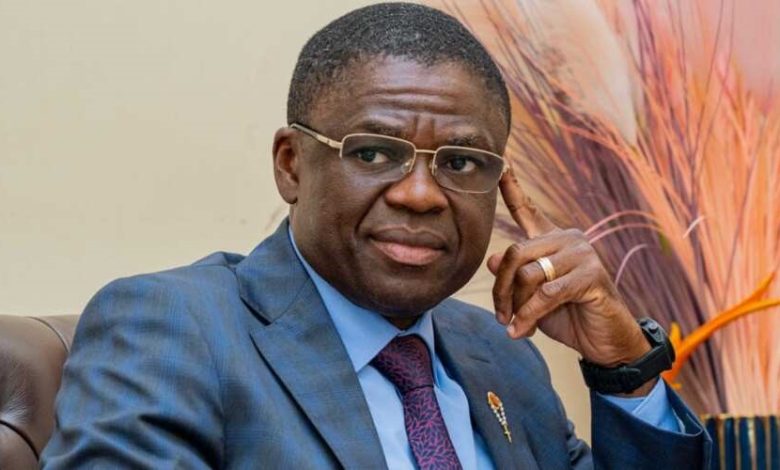
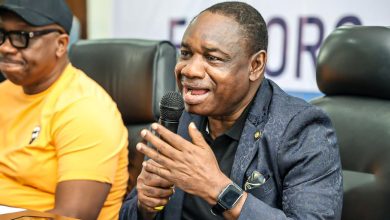
The Director General and Chief Executive Officer of the National Institute for Sports (NIS), Comrade Philip Shaibu, has reaffirmed the Institute’s central role in repositioning Nigeria’s sports sector, describing it as the ‘engine room’ needed to drive sustainable development.
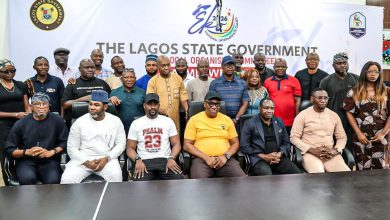
Shaibu made the remarks after the Institute’s regular Tuesday and Thursday keep-fit exercise while receiving the Rudder Sports Management team, led by its President, Emmanuel Omijeh, at his office in Abuja.
He aligned the renewed focus on sports development with the vision of President Bola Ahmed Tinubu, noting that the President’s passion for sports is evident in key appointments and policy direction aimed at revitalizing grassroots sports.
‘Mr. President is a sports lover, just like many of us who follow football across different leagues weekly. Because of his deep interest in sports and grassroots development, he appointed a Senior Special Assistant on Grassroots Sports to help nurture the next generation of athletes who will sustain Nigeria’s sports,’ Shaibu said.
He lamented years of neglect that stalled progress in the sector, stressing that the NIS was designed by statute to serve as the hub for training coaches and administrators, conducting sports science research, advising government on policy, and developing athletes through structured grassroots-to-elite pathways.
‘You cannot start a car without an engine. The Nigerian sports sector went on holiday because the engine room, the NIS, was neglected. Without building from the grassroots, there can be no sustainability,’ he added.
Shaibu emphasized that sustainable sports development must begin at the grassroots level, where young talents are discovered, nurtured, and developed into professionals.
He also highlighted a major challenge in the system, the lack of post-career planning for athletes, which he described as a ‘pandemic’ that must be urgently addressed.
‘We have seen too many retired athletes without anything to fall back on. Going forward, we must institutionalize exit plans for athletes at least two years before retirement. This will include training in coaching and sports management so they can transition smoothly,’ he stated.
He further stressed the need to create a culture where athletes are prepared for life after active sports, ensuring continuity within the system.
‘We must maintain a pattern of training our players to become coaches after retirement so they can sustain the traditions of their various sports,’ he said.