AFN Performance Director Victor Okorie Calls for Stronger U20-to-Senior Pathway
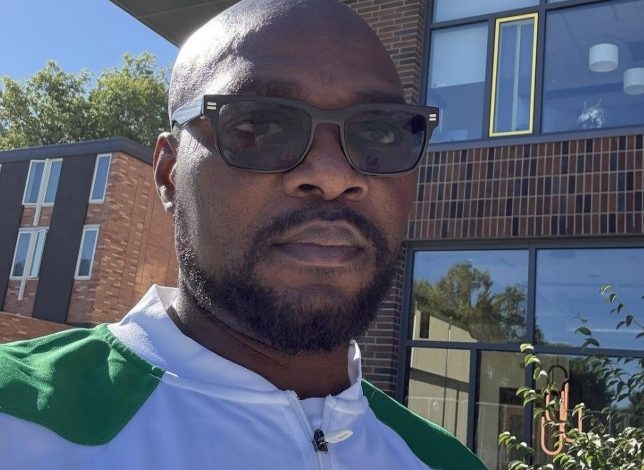
A call has been made for World Athletics to review the pathway from junior to senior athletics, with concerns that too many U20 champions struggle to successfully make the transition to the senior level.
Victor Okorie, Performance Director and Athletes Liaison of the Athletics Federation of Nigeria (AFN), raised the issue after attending the World Athletics Coaches Symposium in Eugene, Oregon, where the transition from U20 to senior athletics was among the key discussions.
Okorie said the sport often celebrates U18 and U20 champions, records and medals without paying enough attention to what happens after junior success.
He noted that athletes entering senior athletics face greater physical demands, deeper competition, increased psychological pressure and different training requirements, making the transition particularly challenging.
Rather than abolishing the U20 World Championships, Okorie suggested that World Athletics consider strengthening the development pathway between junior and senior competition, particularly through a more deliberate U20-to-U23 transition programme.
He proposed a pathway in which U18 athletes are identified and developed, U20 athletes compete and gain international experience, while the U23 stage serves as a structured bridge towards senior excellence.
Such a system, he argued, could place greater emphasis on long-term training, strength and conditioning, injury prevention, recovery, nutrition, sports psychology, technical development, competition planning, coach education and athletes’ professional and life skills.
Okorie also called for World Athletics and national federations to measure the success of junior championships beyond medal tables.
He suggested tracking U20 athletes for four to eight years after the championships to determine how many reach senior World Championships and Olympic Games, become senior finalists or medalists, continue improving or remain active in athletics.
According to him, such data would provide a clearer picture of whether the sport is producing only successful junior athletes or developing future senior champions.
‘A medal at 18 or 19 should not be the end of the story. It should be the beginning of something much greater,# Okorie said, stressing that the ultimate responsibility of athlete development should be to ensure young champions remain capable of competing and winning at senior level.
He described his proposal as an invitation to a wider discussion rather than criticism of World Athletics, coaches or federations, acknowledging the work already being done to develop young athletes.
Okorie said the central question for athletics should no longer be only how many U20 champions a development system produces, but how many of those athletes successfully cross the bridge into senior excellence.
He urged World Athletics and stakeholders to consider whether the current U20 World Championships model should remain unchanged, be redesigned or be complemented by a stronger U20-U23 transition system.
‘The goal should not simply be to produce a U20 champion. The goal should be to develop an athlete who can become a senior champion, and remain one for years to come,’ he said.