Botswana Shows The Way In Grassroots Athletics Development As Nigeria Seeks A New Direction
Nigeria’s search for a sustainable pathway to producing the next generation of athletics stars could benefit from a closer examination of Botswana’s growing emphasis on grassroots talent identification and development.
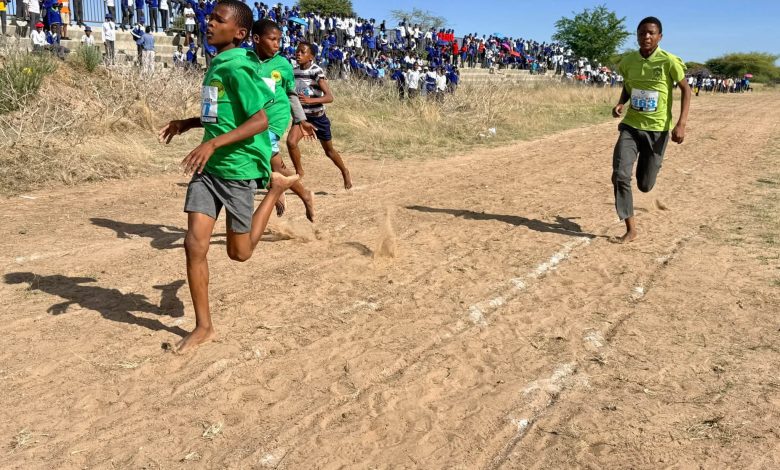
The Botswana Athletics Association (BAA) is taking its talent-hunting exercise directly to schools, using inter-house athletics competitions to identify promising young athletes and provide them with a structured pathway towards competitive athletics.
The association on Tuesday hosted an Inter-House Athletics Competition at Mahupu Unified School as part of its continued efforts to discover and nurture young talent at grassroots level.
Beyond providing learners with an opportunity to showcase their abilities across track and field events, the competition is also designed to identify 20 promising athletes who will join the Centre of Sport Excellence (CSE) programme.
Mahupu Unified School and Tsabong Unified School are the association’s newly established Centres of Sport Excellence, strengthening its efforts to take athletics development closer to communities and create opportunities for young athletes to progress.
The initiative offers an interesting development model for Nigeria, where the abundance of athletic talent has not always been matched by a consistently structured system for identifying, nurturing and preparing young athletes for elite competition.
Nigeria has a long tradition of discovering talent through school athletics, inter-house competitions, state championships and national youth competitions. However, the bigger challenge is ensuring that promising performances at these levels lead to sustained coaching, technical development and regular competitive opportunities.
Botswana’s approach highlights the importance of connecting school competitions with a defined development structure rather than treating them merely as opportunities for participation and the awarding of medals.
For Nigeria, the question is whether the Athletics Federation of Nigeria (AFN), working with state athletics associations, schools and relevant education authorities, can establish a more coordinated grassroots development programme that identifies promising athletes early and follows their progress.
Such a system could help discover future stars in the sprints, middle-distance events, hurdles, jumps and throws while ensuring that talent does not disappear after outstanding performances at school competitions.
It would also require more than identifying gifted youngsters. Regular coaching, access to suitable facilities, technical supervision, athlete welfare and opportunities to compete would be essential to turning raw ability into international-level performances.
The need for such a long-term approach is particularly important as Nigeria looks to sustain its presence in international athletics and ensure that the achievements of its current generation are not isolated successes.
Botswana’s initiative is still at the talent-identification and development stage, and its long-term impact will depend on how effectively the selected athletes are trained and supported. Nevertheless, its decision to establish Centres of Sport Excellence within schools provides an approach worth examining.
Nigeria does not lack the schools, communities or potential talent to build a comparable structure. What remains crucial is creating a coordinated system that connects grassroots discovery to sustained athlete development.
The next generation of Nigerian athletics champions will not emerge by chance. They must be identified, nurtured and prepared long before they reach the senior international stage.