EDITORIAL: The Stone The AFN Rejected
There is a special kind of irony in watching an institution celebrate internationally what it has failed to appreciate at home.
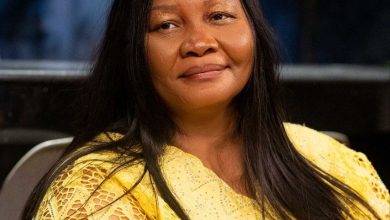
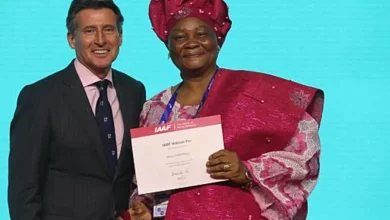
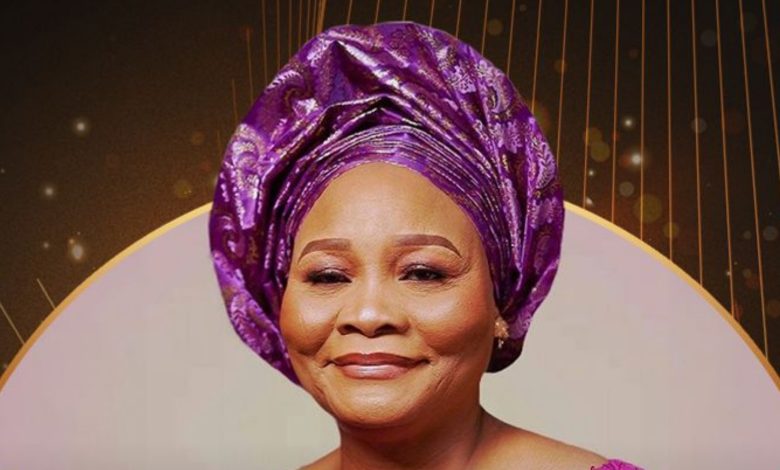
Maria Wophill has been named World Athletics Woman of the Year for 2026. It is an extraordinary honour, not merely for a Nigerian woman but for someone whose contribution to athletics has spanned decades, crossed national boundaries and helped shape opportunities for women and girls in the sport.
This is no ordinary award. It is international recognition of a career devoted to advancing gender equality, strengthening women’s representation in sports leadership, mentoring female coaches and administrators, and creating opportunities for young girls to participate in athletics.
World Athletics is recognising a woman whose influence goes beyond the positions she has occupied. It is acknowledging her work in changing attitudes, opening doors and helping create a more inclusive future for the sport.
The Confederation of African Athletics has recognised her contribution. Plateau State has celebrated her achievement. The Athletics Federation of Nigeria has also issued a congratulatory message through its president, Tonobok Okowa.
But congratulations are not the issue. The more important question is whether the AFN and the National Sports Commission have demonstrated, through their decisions and actions, the same appreciation of merit and competence that the international athletics community has shown Wophill.
That is where this story becomes uncomfortable.
The Irony Of The Honour: Wophill is not an outsider looking in. She is one of the people who helped build Nigerian athletics administration.
She served as AFN Secretary General from 2005 to 2013, managing the federation’s secretariat, maintaining its administrative machinery and representing Nigerian athletics at national and international levels.
Her experience did not end with her departure from the federation. She continued to contribute to athletics administration, gender advocacy and safeguarding, earning the confidence of World Athletics and the Confederation of African Athletics.
Her work on gender leadership, the mentoring of female administrators and coaches, and grassroots initiatives to encourage girls into athletics demonstrates the breadth of her contribution.
Indeed, her international recognition raises an uncomfortable question about the value Nigerian sports authorities place on experience and institutional knowledge.
How does a woman considered worthy of the highest global recognition for her contribution to women in athletics become someone whose expertise is overlooked when an important administrative responsibility is being assigned at home?
The AFN’s Rejected Stone: This is where the AFN’s congratulatory message becomes particularly interesting.
The federation has acknowledged Wophill’s contribution. Okowa praised her involvement in athletics, her mentoring of female coaches and administrators and her grassroots work encouraging schoolgirls to participate in the sport.
But the federation must look beyond the flattering words of its congratulatory statement.
Wophill has been entrusted with safeguarding responsibilities within the international athletics community. Safeguarding is not an ornamental position. It is one of the most sensitive responsibilities in modern sport, involving the protection of athletes, particularly young and vulnerable participants, from abuse, harassment and exploitation.
It requires experience, integrity, knowledge and the confidence of the athletics community.
Yet when the AFN appointed its safeguarding officer, it chose somebody else, overlooking Wophill’s experience and the international recognition of her work in this area.
There is nothing inherently wrong with appointing another qualified individual. The question, however, is whether the process adequately considered Wophill’s credentials and what informed the decision to pass her over.
The irony is difficult to ignore. The AFN can now celebrate her international recognition, but what does that recognition say about the federation’s own assessment of the experience and expertise she could have brought to its safeguarding structure?
The stone the builders rejected has become the cornerstone. World Athletics has recognised what the AFN’s appointment decision appeared not to value.
The NSC And The Constitution Question: The National Sports Commission cannot escape its own share of scrutiny.
This is the same institution whose involvement in the co-option of individuals onto the AFN board raised serious questions about compliance with the AFN Constitution 2023, as amended.
The constitutional provisions governing the composition of the federation’s board are not decorative clauses to be observed only when convenient. They exist to protect institutional integrity, ensure proper governance and prevent the arbitrary exercise of power.
Yet individuals were co-opted onto the board in circumstances that have been challenged as contrary to those provisions.
Wophill herself was among those co-opted. The same arrangement also brought in individuals whose appointments have raised questions about the process and the criteria applied.
This creates an uncomfortable contradiction for the NSC. If constitutional provisions can be bent or disregarded to accommodate board appointments, what principle determines when the rules matter and when they do not?
And if the NSC recognises Wophill sufficiently to have her co-opted onto the AFN board, why should her experience and expertise not receive serious consideration when important responsibilities within the federation are being assigned?
The issue is bigger than Wophill. It concerns the standards by which Nigerian sports institutions are governed and the consistency with which they apply their own rules.
More Than An Award: The significance of Wophill’s World Athletics honour should not be lost in the politics surrounding the AFN.
For Nigerian women in sport, it is a powerful acknowledgement that leadership, advocacy and the often-unseen work of building institutions deserve recognition.
For young girls entering athletics, it demonstrates that the sport offers possibilities beyond competing on the track. There are opportunities to shape policy, influence administration, protect athletes and lead institutions.
For Nigerian sports administration, however, it should also be a moment of introspection.
A federation that celebrates an internationally recognised contributor must also be prepared to examine whether its own decisions reflect the values for which that contributor has been honoured.
The NSC, too, must understand that its responsibility goes beyond appointing or accommodating individuals. It must protect the integrity of the institutions under its watch and ensure that governance is guided by established rules rather than convenience.
A Question Of Merit: The questions are straightforward.
If Wophill’s contribution to gender equality, safeguarding and sports leadership is worthy of recognition by World Athletics, why was her experience not given greater consideration in the AFN’s safeguarding appointment?
If the AFN recognises her contribution and celebrates her achievement, does it also recognise the need to draw on the experience of people who have served the federation and helped build Nigerian athletics?
And if the NSC believes in good governance, how does it reconcile its involvement in the AFN board co-options with the constitutional questions surrounding those appointments?
These are not questions that a congratulatory statement can answer. Maria Wophill deserves every bit of the recognition she has received. Her achievement belongs to Nigerian athletics and should be celebrated as such.
But the greater tribute would be for Nigerian sports authorities to demonstrate that the values for which she has been honoured, merit, inclusion, integrity, safeguarding and leadership, are not merely words to be applauded when the world recognises one of their own.
In scripture, the stone the builders rejected has become the cornerstone. World Athletics has recognised Maria Wophill’s value. The challenge before the AFN and the NSC is to demonstrate that they understand it too.
Nigeria should not have to wait for the rest of the world to tell it the worth of those who have helped build its sport.