Stakeholders Slam NSC Over Poorly Prepared 2031 African Games Bid
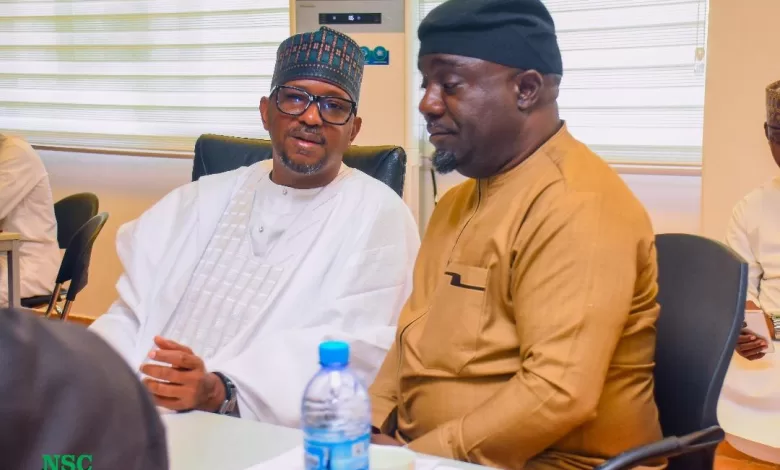
Nigeria’s failed attempt to host the 2031 African Games has sparked widespread criticism of the National Sports Commission (NSC) and bid committee leader Mainassara Ilo, with stakeholders accusing them of poor preparation and misleading explanations.
Uganda was officially awarded hosting rights after winning the first round of bidding in March/April, followed by ratification by African Ministers of Sports on June 2, 2026.
Despite this, the NSC claimed Nigeria had withdrawn its bid due to a supposed rotation policy agreed by the Association of National Olympic Committees of Africa (ANOCA).
Critics quickly dismissed the claim, noting that ANOCA has no role in the African Games bidding process, which is overseen solely by the African Union (AU).
Adding to the controversy, stakeholders pointed out that Nigeria’s bid documents contained glaring errors, including the use of a reference number recycled from the failed 2030 Commonwealth Games bid, also supervised by Ilo.
According to The Guardian, stakeholders questioned why Nigeria ‘hurriedly dusted the documents used in bidding for the 2030 Commonwealth Games and presented the same for the 2031 African Games without going through the papers to detect the elementary errors in them.’
They further noted that Nigeria welcomed the AU bid inspection team in Abuja in March, raising doubts about the NSC’s claim of withdrawal.
The AU itself clarified the rotation issue at its December 2025 meeting in Bujumbura, Burundi, where it agreed that hosting would rotate among regions beginning in 2035, not 2031.
The AU also acknowledged Nigeria’s submission of a bid for the 15th edition of the Games, underscoring that the country had not formally withdrawn.
Despite these defenses, many Nigerians remain unconvinced. Analysts argue that the country lost the bid due to poor preparation, not because of any rotation policy.
‘Trying to shift blame only damages our credibility further,’ one stakeholder remarked.
Former Sports Minister Solomon Dalung also weighed in on the embarrassing development and has described the failed bid as ‘unfortunate’ and a manifestation of ‘incompetence reenacted at a monumental stage.’
He told The Guardian that the absence of ministerial oversight allowed the NSC to mishandle the process, saying: ‘If the ministry were in place, it would have reviewed the pitch. But today, there is no ministry, and of course, sport is being remembered more in history. We cannot qualify for anything.’
The controversy has reignited calls for professionalism and transparency in Nigeria’s sports administration, with stakeholders urging that future bids be handled with diligence to restore confidence in the country’s ability to host major international events.