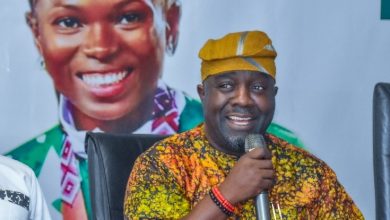
Yusuf Alli: ‘Eko 2026 Will Expose States That Buy Athletes’
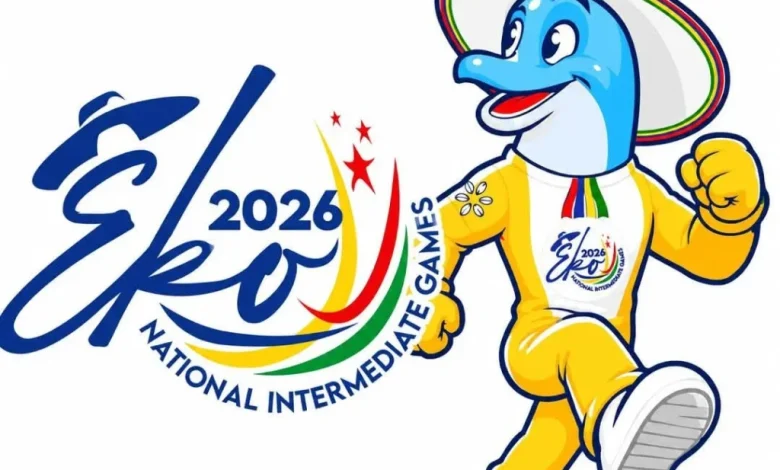
Former Nigerian Olympian and sports administrator Yusuf Alli says the maiden National Intermediate Games, EKO 2026, will expose states that genuinely develop athletes at the grassroots and those that rely on recruiting established talents to boost their medal haul.
The Games, scheduled for October 1 to 15 in Lagos, will feature athletes aged 15 to 18 across 28 sports, with more than 14,000 athletes from Nigeria’s 36 states and the Federal Capital Territory expected to participate.
Alli, who is part of the organising structure, said EKO 2026 is designed to strengthen the transition from youth to senior sports while providing a platform to assess the effectiveness of grassroots development programmes across the country.
‘This will expose states. States that just go and buy athletes for festivals, this will determine the ones that have really been training,’ Alli said.
According to the former Olympian, the competition will move attention away from short-term medal success and towards identifying states with sustainable systems for developing athletes.
‘I know for sure that states like Edo and Lagos train athletes very well. It will come to play for us to see the states that have been training athletes,’ he added.
Athlete recruitment has remained a contentious issue at Nigeria’s multi-sport competitions, particularly the National Sports Festival, where some states have been accused of recruiting established athletes from other parts of the country to strengthen their teams.
Delta State, for instance, retained its National Sports Festival title at the 2025 edition in Ogun State with 323 medals, including 122 gold, while Lagos topped the medal table at the 2025 National Youth Games in Asaba with 52 gold medals.
Alli believes EKO 2026 could provide a different measure of sporting development by focusing on athletes at a critical stage of their progression towards senior competition.
He said talent identification teams would be monitoring the Games closely to identify young athletes with the potential to develop into future elite performers.
‘We look at the extra-talented athletes that may not have what it takes now, but may have what it takes in the future. Those are the ones we are really looking to concentrate on,’ Alli said.
For the organisers, the success of EKO 2026 will therefore not be determined solely by the final medal table. The Games are expected to provide a clearer picture of which states are investing in sustainable grassroots development and producing athletes capable of progressing through Nigeria’s sports pathway to senior level.